
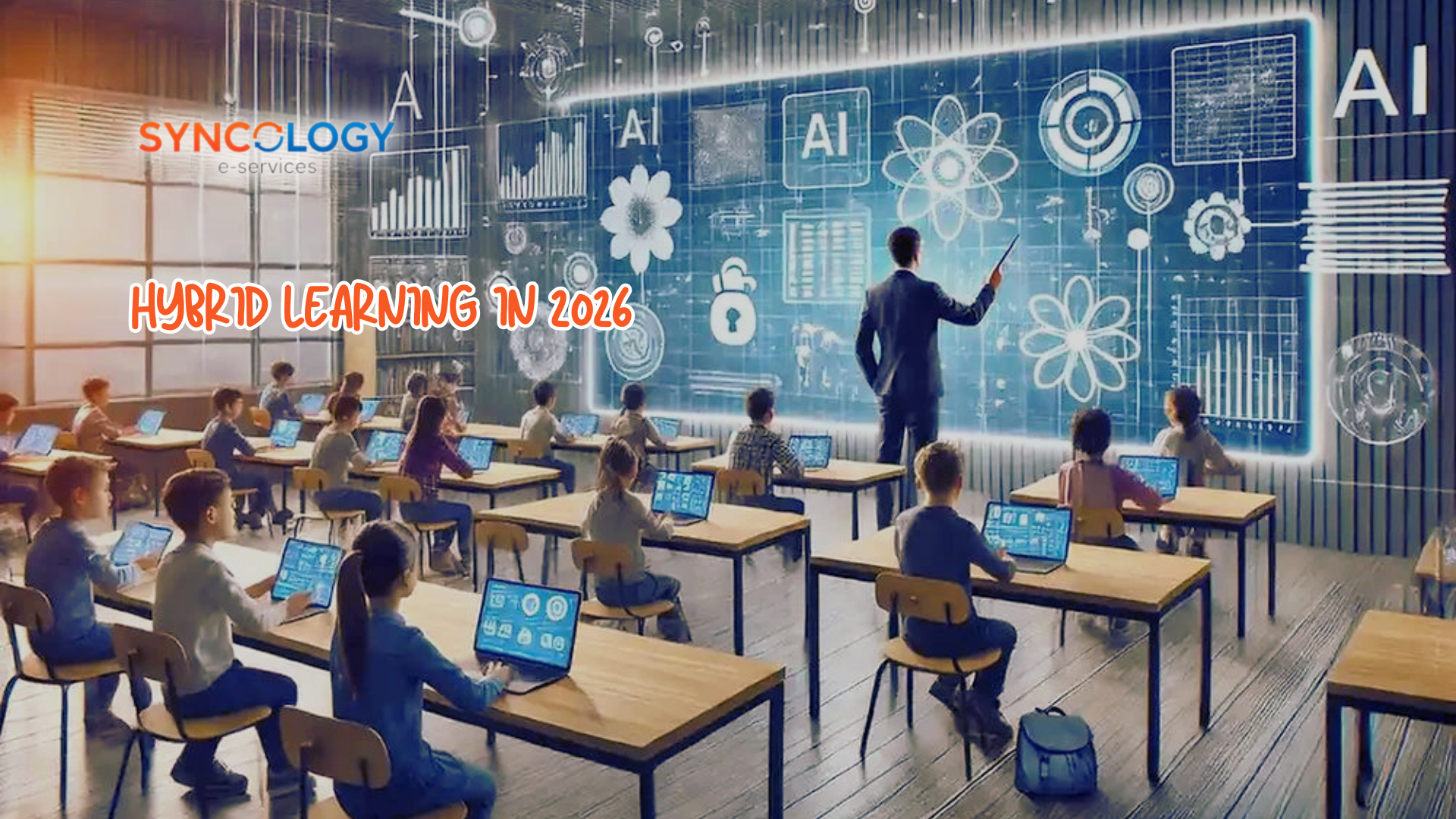

The dust is settling on a new reality in EdTech “ Hybrid Learning”. This pedagogical model, which seamlessly blends synchronous in-person teaching with asynchronous online activities, is no longer a temporary fix but the definitive future of educational delivery. Unlike the reactive remote teaching adopted during the crisis, Hybrid Learning is a meticulously designed approach aiming for optimal engagement and learning outcomes, irrespective of physical location. It represents a sophisticated evolution that demands more than just basic video conferencing; it requires a robust, integrated technological backbone.
In 2026 and beyond, the success of any educational institution embracing this flexible future will hinge entirely on its choice and implementation of a Learning Management System (LMS). Without an effective LMS for school, the promise of Hybrid Learning quickly dissolves into disjointed efforts and frustrated stakeholders. An LMS serves as the central operating system for all digital learning activities, ensuring equity in access, continuity in instruction, and personalized learning pathways for every student. It’s the essential infrastructure that transforms an ambitious vision into a practical, impactful reality.
This article will delve into the core challenges of modern Hybrid Learning environments and then systematically explore how an advanced online learning management system becomes indispensable across critical domains: instructional continuity, personalized learning, and effective communication. We will highlight why the best learning management systems for schools are not just tools, but strategic partners in shaping resilient and effective educational models for the coming years.
The Core Challenge of Hybrid Learning
The allure of Hybrid Learning lies in its flexibility, but its implementation presents significant challenges. The very essence of blending in-person and online components creates a complex environment that, if not managed correctly, can lead to confusion and diminished learning outcomes. This is the inherent complexity of managing dual learning environments effectively.
A. The Equity Gap: Ensuring Access for All
A primary concern in Hybrid Learning is ensuring equitable access and opportunities for all students. How can a student learning remotely truly participate and engage in the same way as a student physically present in the classroom? Without a dedicated learning management system in education, content delivery can become fragmented, communication might be missed, and access to learning resources could be inconsistent, disadvantaging remote learners. The goal is not just to deliver content, but to foster an inclusive learning experience where every student feels equally supported and connected, irrespective of their location.
B. Pedagogical Complexity: The Teacher’s Tightrope Walk
For teachers, managing a Hybrid Learning classroom can feel like walking a tightrope. Simultaneously engaging students in front of them and those participating virtually requires immense skill and, crucially, the right tools. Without a centralized platform, teachers might juggle multiple applications, one for video calls, another for assignments, yet another for grading. This leads to increased workload, reduced focus on instruction, and a less cohesive experience for students. This is where a comprehensive school LMS software steps in, simplifying the teacher’s workflow and allowing them to concentrate on pedagogy rather than technical hurdles.
C. The Need for Centralization: Combating Disjointed Efforts
The chaos that results from using disparate tools for Hybrid Learning cannot be overstated. Relying on a mix of email, generic shared drives, and standalone video conferencing platforms creates an unmanageable environment for students, parents, and teachers alike. Assignments get lost, deadlines are missed, and communication becomes a frustrating guessing game. A unified online education management system centralizes all learning activities, resources, and communications into one cohesive platform, bringing order to the inherent complexity and paving the way for truly effective Hybrid Learning. This centralization is the bedrock upon which successful Hybrid Learning models are built.
Domain 1: The LMS as the Engine for Instructional Continuity in Hybrid Learning
A truly effective Hybrid Learning model demands seamless instructional continuity, ensuring that learning never stops, regardless of where or when a student engages. This is where an LMS for school proves its indispensable value, acting as the unifying engine that drives the educational experience.
A. Centralized Content Repository: The Single Source of Truth
The days of scattered handouts, emailed documents, and multiple online links are over. A robust LMS provides one secure, easily navigable location for all instructional resources. This includes:
- Multimedia Lessons: Videos, interactive presentations, and audio files.
- Reading Materials: PDFs, articles, and digital textbooks.
- Assignments & Quizzes: Clear submission points, rubrics, and automated feedback mechanisms.
This centralized hub ensures that every student, whether in-person or remote due to illness or other reasons, has immediate 24/7 access to all necessary materials. This significantly reduces the chances of a sick student falling behind their in-person cohort, fostering true equity in Hybrid Learning. The best learning management systems for schools make content management intuitive, allowing teachers to focus on creation rather than distribution.
B. Asynchronous Activity Management: Maximizing Engaged Time
One of the most powerful aspects of Hybrid Learning is the ability to leverage asynchronous activities. The LMS excels here by facilitating:
- Flipped Classroom Models: Students can engage with lectures or foundational content online (videos, readings) before coming to a synchronous session (in-person or virtual) for deeper discussion, problem-solving, and hands-on activities. This maximizes the value of limited synchronous time.
- Self-Paced Modules: Allowing students to work through certain content at their own pace, accommodating diverse learning styles and schedules.
- Interactive Simulations & Quizzes: Providing opportunities for independent practice and immediate feedback, which are vital components of smart learning tools.
These features are crucial for managing the blended nature of Hybrid Learning, ensuring that both in-person and remote students have engaging and productive learning experiences outside of direct instruction.
C. Assessment and Grading Consolidation: Fair and Consistent Evaluation
Managing assessments in a Hybrid Learning environment can be complex without the right tools. An LMS simplifies this by:
- Unified Submission Points: Students submit all assignments (digital and scanned physical work) through a single portal.
- Automated Tracking: The LMS automatically tracks submissions, flags late work, and stores all graded assignments in one place.
- Consistent Grading: Teachers can apply rubrics and provide feedback consistently, regardless of whether the student is remote or in the classroom. This ensures fair evaluation across the entire school LMS system.
This consolidation is vital for both teachers, who save significant time on administrative tasks, and students, who benefit from clarity and consistency in evaluation.
Domain 2: Personalization and Data-Driven Hybrid Learning
The promise of personalized education, once a distant ideal, becomes achievable and scalable with a sophisticated student learning management system. An LMS provides the tools and insights necessary to tailor the Hybrid Learning experience for each student, moving beyond a one-size-fits-all approach.
A. Tracking Engagement and Progress with Granular Analytics
One of the most significant advantages of an advanced online learning management system is its ability to provide granular data on student engagement and progress. Unlike traditional classrooms, where student struggles might go unnoticed until a major assessment, an LMS offers:
- Activity Logs: Teachers can see how long a student spent on a reading assignment, which videos they watched, and how many attempts they made on a quiz.
- Performance Metrics: Real-time data on quiz scores, assignment completion rates, and participation in discussion forums.
This rich data helps teachers identify at-risk students before they fall behind, whether they are learning remotely or physically in the classroom. This proactive identification is a hallmark of effective smart learning school environments, enabling timely interventions and targeted support.
B. Differentiated Instruction: Meeting Individual Needs
Every student learns differently and at a different pace. An LMS empowers teachers to implement truly differentiated instruction within a Hybrid Learning model:
- Tailored Content: Teachers can easily assign different remediation materials, enrichment activities, or alternative assessments to individual students or small groups based on their performance data and learning styles.
- Flexible Pathways: Students who master content quickly can move ahead, while those needing more support can access additional resources or practice opportunities without disrupting the flow for the entire class.
- Adaptive Learning Paths: Some of the top learning management systems for schools even offer adaptive learning features that automatically adjust the learning path based on a student’s responses, providing truly individualized support.
This level of customization ensures that the environment can cater to diverse learning needs, maximizing each student’s potential.
C. Student Ownership and Self-Pacing: Fostering Autonomy
A well-designed school LMS system fosters greater student autonomy, a crucial skill for future success. For asynchronous tasks, students gain control over their pace, encouraging accountability and self-regulation. This is a key element of successful Hybrid Learning.
- Flexible Deadlines (within a framework): While final deadlines remain, students can plan their work around other commitments, promoting time management skills.
- Self-Assessment Tools: Integrated quizzes and practice tests allow students to monitor their own understanding and identify areas where they need to revisit content.
- Resource Navigation: Students learn to actively seek out and utilize the vast array of resources provided within the learning management online platform, taking charge of their own learning journey.
This emphasis on student ownership prepares them for higher education and professional environments, where independent learning is paramount.
Domain 3: The LMS for Communication and Community in Hybrid Learning
Effective communication and a strong sense of community are vital for any learning environment, but they become even more critical and challenging in a Hybrid Learning model. An LMS serves as the central hub, ensuring everyone stays connected and engaged.
A. Unified Communication Hub: Streamlining Interaction
Disjointed communication systems are a common pitfall in Hybrid Learning. An LMS solves this by providing:
- Centralized Announcements: Teachers can post school-wide or class-specific announcements that reach all students and parents instantly, eliminating lost emails or missed paper notices.
- Integrated Messaging: Secure, internal messaging features allow direct communication between teachers and students, and often student-to-student, fostering easy interaction.
- Virtual Office Hours: Scheduling and hosting virtual office hours or one-on-one meetings are simplified within the platform.
This unified approach streamlines communication, making it reliable and trackable, a fundamental aspect of effective classroom management. The best lms systems for schools ensure that no message is missed, whether a student is present physically or learning remotely.
B. Fostering Virtual Community: Connecting All Learners
One of the biggest concerns with Hybrid Learning is the potential for remote students to feel isolated. An LMS actively combats this by offering tools that build community:
- Discussion Forums: Integrated discussion boards allow students to engage in academic debates, ask questions, and collaborate on ideas asynchronously, regardless of their location.
- Group Project Spaces: Dedicated areas for group work facilitate collaboration among students, even if some are remote and others in-person.
- Peer Review Features: Allowing students to review each other’s work fosters constructive criticism and a shared sense of academic purpose, enriching the overall the LMS experience.
These features ensure that remote students feel connected to their peers and the class community, preventing feelings of isolation that can hinder learning.
C. Parent/Guardian Access: Keeping Stakeholders Informed
Engaging parents is crucial for student success, especially in Hybrid Learning. An LMS provides controlled access for parents or guardians to:
- View Grades and Feedback: Transparent access to their child’s academic performance.
- Track Assignment Status: See upcoming deadlines and submitted work.
- Monitor Attendance: Stay informed about their child’s presence in both virtual and physical sessions.
This keeps parents actively engaged and informed about their child’s Hybrid Learning progress, strengthening the home-school connection and supporting overall classroom management. Many online student management system platforms prioritize this parent portal feature.
EduSync LMS: Empowering the Future of Hybrid Learning
In the diverse ecosystem of learning management systems for schools, EduSync LMS stands out as a perfect solution meticulously designed to excel in the new era of Hybrid Learning. It’s not just another school LMS software; it’s an integrated platform built to address the unique demands of blended education, positioning itself as one of the best learning management systems for schools.
EduSync LMS from Syncology offers a comprehensive suite of features that directly address the core challenges and opportunities presented by Hybrid Learning. For instance, its intuitive online course management system allows educators to effortlessly upload, organize, and deliver a rich array of multimedia content, ensuring instructional continuity for students in the classroom.
The platform’s advanced analytics provide teachers with deep insights into student engagement and performance, moving beyond basic metrics to truly understand individual learning patterns. This enables personalized learning pathways, a critical aspect for every smart learning school aiming for excellence.
Furthermore, EduSync’s robust communication tools foster a vibrant learning community, allowing seamless interaction between students and teachers, and supporting effective classroom management software. With features like a built-in online exam maker, streamlined assignment submissions, and a user-friendly interface optimized for all devices, EduSync simplifies the entire learning process. It eliminates the need for disparate tools, providing a unified experience that enhances online education management system capabilities and actively reduces the administrative burden on teachers, allowing them to focus more on teaching and less on technology. For schools seeking a scalable, reliable, and user-centric learning management online solution to champion their Hybrid Learning initiatives, EduSync LMS offers the foundational technology to thrive.
Conclusion: The Essential Investment for 2026
The shift to Hybrid Learning is not a passing trend; it is a permanent evolution in education. As we look towards 2026 and beyond, the ability of schools to adapt and excel in this blended environment will be directly proportional to their technological infrastructure. An advanced LMS for school is no longer a luxury but the indispensable operating system for successful Hybrid Learning.
It acts as the engine for instructional continuity, ensuring access and equity for all students. It empowers personalization through data-driven insights, allowing teachers to tailor learning experiences to individual needs. Crucially, it fosters a connected community, bridging the physical and virtual divides through unified communication and collaborative tools. For schools to thrive in the era of Hybrid Learning, the strategic investment in a robust, scalable school LMS system is the single most critical decision to ensure pedagogical excellence, operational continuity, and the ultimate success of every student.