

Network Infrastructure
Secure, scalable, and fully managed network infrastructure designed to power digital transformation across your entire educational environment.
About Network infrastructure Services
Syncology implements high-performance Wired and Wireless network infrastructure solutions for schools, combining managed network and security services to ensure secure, uninterrupted connectivity.
From design to deployment and ongoing optimization, our end-to-end services support both wired and wireless networks, helping schools scale with confidence in a connected world.
Syncology Network infrastructure Features
Seamless Wired & Wireless Connectivity built for Reliable Access Across All The Campus.
- Wired & Wireless Connectivity
- End-to-End Network Design
- Data Protection
- Proactive Monitoring
- Integrated Management
- Scalable Infrastructure
Why Choose Us
Empower your school operations and deliver cohesive digital experiences through intelligent, connected solutions.

Reliable School Connectivity
Ensures uninterrupted access to digital systems for students, staff, and administrators across all campuses.

Simplified IT Operations
Reduces system complexity and IT workload with centralized infrastructure and proactive support.

Optimized Performance
Ensures high-speed, stable connectivity to support e-learning, LMS, and seamless school-wide operations.

Multi-Campus Integration
An infrastructure designed to scale, connecting classrooms, departments, and entire school branches under one secure system.

Stronger Cybersecurity
Protects your school’s sensitive data with advanced threat prevention and secure access controls.

Cost-Efficient Solutions
Minimizes downtime and maintenance costs while maximizing long-term infrastructure value.

The process — Future-Proof Network
Infrastructure Planning
Assess your school’s layout and technical needs to design a customized, scalable wired or wireless network solution.
System Implementation
Deploy high-performance hardware and software networking with structured cabling, access points, and secure configuration.
Security Integration
Apply advanced security protocols and firewalls to protect all school data, devices, and user access in real time.
Monitoring & Support
Continuously monitor, maintain, and optimize your network to ensure performance, and minimal downtime.
Testimonials
Proven Success, Trusted experience
Straight from Our Clients
We will never forget how EduSync LMS supported us during the COVID-19 crisis. It enabled us to continue the education process seamlessly until the end of the academic year, including generating report cards for all students. The implementation and support from the Syncology team were truly professional and reliable.
Ms. Shereen Ramadan
Pioneers Schools - Olympic Elementary & Middle School Principal
EduSync LMS has brought exceptional organization to our academic operations. We've been working with Syncology for over five years, and their support team has consistently been responsive and helpful. Special thanks to them for always being there when we need assistance.
Ms. Dai Ehab
Future Schools - British School LMS Administrator
Having managed multiple schools and worked with various systems, I can confidently say EduSync stands out. It's user-friendly for both students and parents, and the administrative features—especially the HR module's performance appraisal, are outstanding. It truly simplifies and accelerates our workflow.
Ms. Marwa Mansour
Tanta Modern School - National School Principal
Thank you to the Syncology team for the swift and professional implementation of EduSync LMS, especially Eng. Abdalah. From the initial setup to delivering student report cards, the process was smooth and expertly handled.
Ms. Shereen Mosaad
Corewest College - International School Principal
Choosing the right software company to manage our academic and administrative operations was a tough decision. Syncology stood out among the shortlisted options due to their excellent presentation and the genuine spirit of implementation. Now that our school is fully digitized, I’m confident we made the right choice. Thank you, Syncology!
Mr. Ayman Khatab
Irtiqaa International School - School Owner
Trusted by International, National & Private Schools
Got Questions? We’ve Got Answers!
Find quick answers to the frequently asked questions about our software services. We're here to help you make the most informed decision for your school.
Educational environments contain hundreds of simultaneous connections: students using LMS platforms, teachers uploading content, administration running ERP systems, CCTV streaming, access control syncing, and cloud services operating in the background.
Basic home-grade equipment cannot handle this volume or consistency.
A professionally designed network infrastructure ensures:
- Stable connectivity across classrooms, labs, offices, and outdoor areas
- High bandwidth availability for SMS/LMS usage and digital learning
- Proper segmentation to isolate student, staff, guest, and security networks
- Scalable architecture that grows with the school
- Consistent performance during peak hours
- Security protection for sensitive student and staff data
Schools today run on digital workflows. A weak network doesn’t just cause “slow internet”, it disrupts teaching, safety, and school operations entirely.
A school network is an ecosystem, not a single device. A reliable infrastructure typically includes:
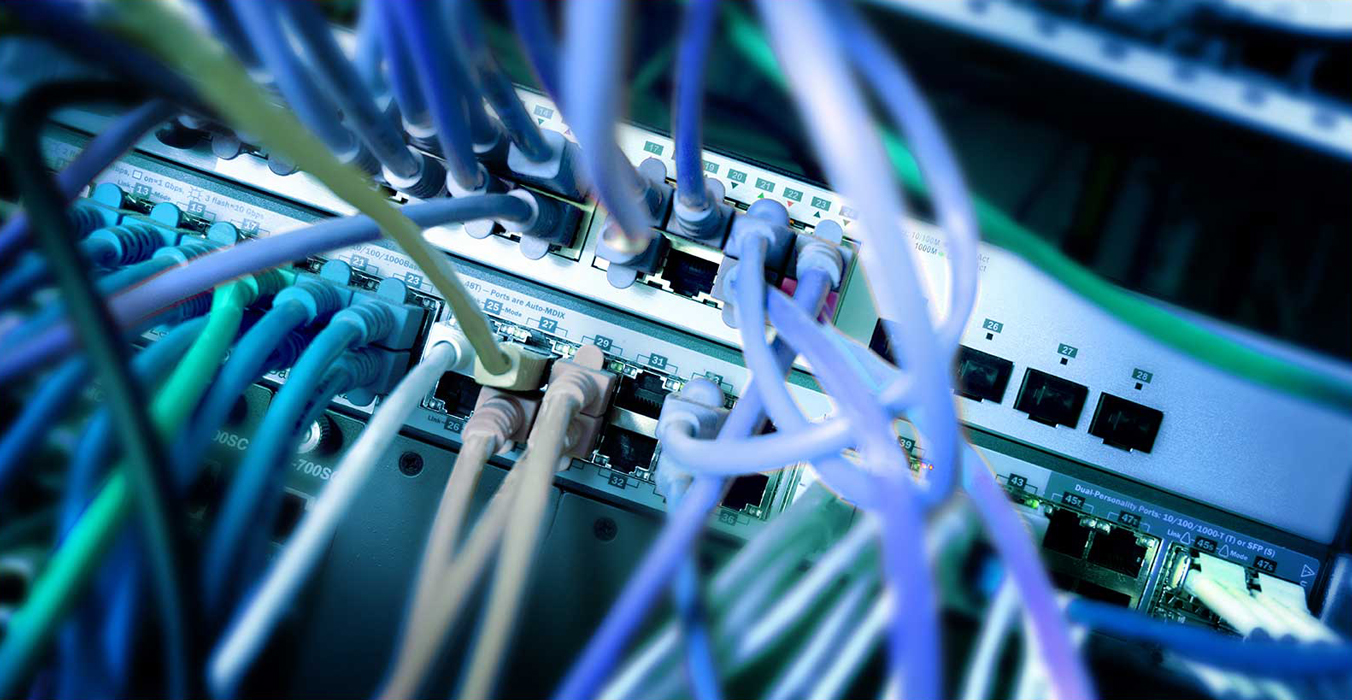
- Structured Cabling (Cat6/Cat6A/Fiber): defines speed, distance, and stability
- Access Switches: the backbone that connects classrooms, labs, and administrative areas
- Core & Distribution Switches: handle routing and high-level traffic between buildings/floors
- Enterprise-grade Wi-Fi Access Points: ensure classroom coverage and consistent student/device density
- Firewalls: protect students, data, and systems from external threats
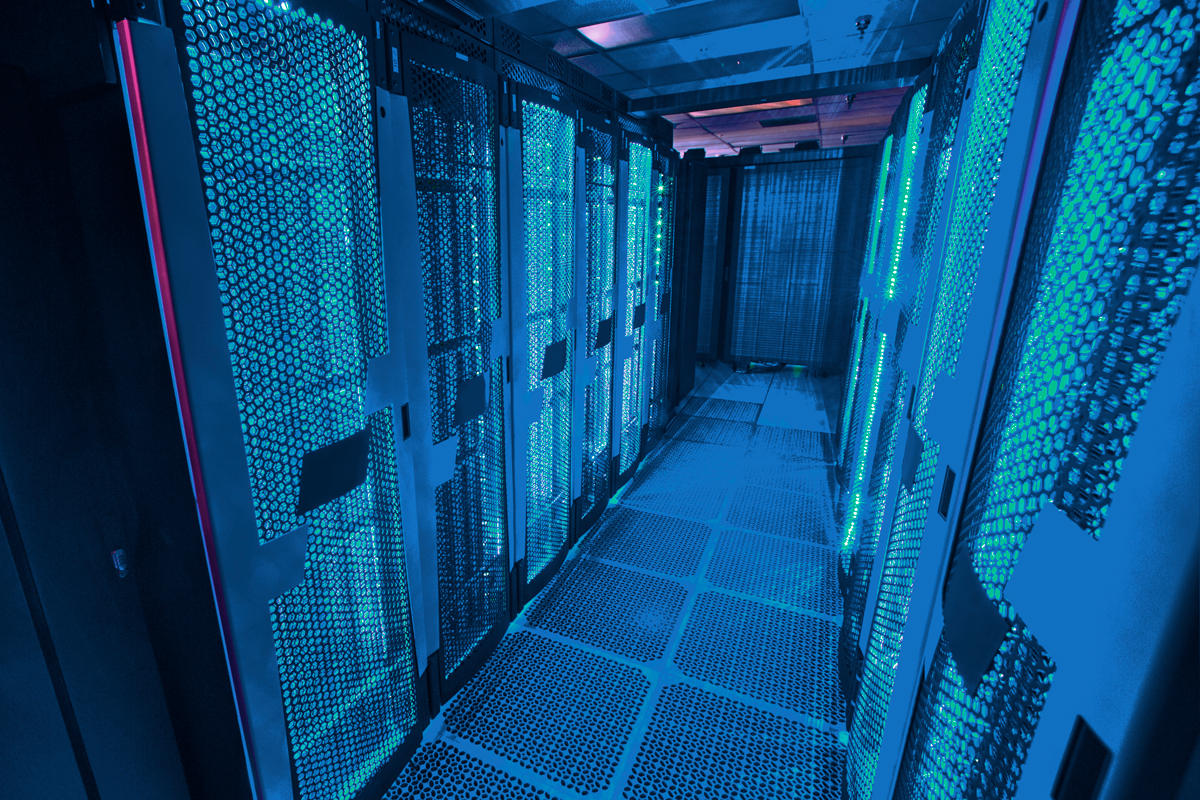
- Servers / Racks / Patch Panels: organize and secure the network
- UPS systems: ensure connectivity during power fluctuations
When designed correctly, these components form a resilient, scalable network capable of supporting all school systems simultaneously.
School Wi-Fi typically fails for three reasons:
- Overloaded access points
A single AP cannot support 30–200 devices simultaneously during peak hours. - Poor placement
APs placed in hallways or behind walls create dead zones and signal interference. - Lack of network segmentation
When students, teachers, guests, CCTV, and devices all share one network, congestion becomes inevitable.
A professionally engineered design solves this by:
- Using high-density access points designed for classrooms
- Strategically placing APs to eliminate interference
- Segmenting traffic (VLANs) to isolate academic, admin, guest, and security networks
- Ensuring roaming support so devices don’t disconnect when moving between classrooms
Result: consistent Wi-Fi that supports learning instead of interrupting it.
Every digital system in a school ultimately depends on the stability and architecture of the underlying network. When the network is weak, fragmented, or overloaded, issues appear everywhere: LMS pages fail to load, attendance devices don’t sync, CCTV streams lag, and teachers struggle with online content.
A strong infrastructure provides:
- Low-latency communication for LMS/SMS and cloud platforms
- Real-time synchronization for attendance and access devices
- Stable upstream/downstream bandwidth for CCTV feeds
- Consistent performance during peak periods (morning entry, class change times)
- Centralized visibility for IT to monitor school-wide connectivity
In schools, network performance = operational performance.
A single weak link disrupts an entire digital ecosystem.
Schools are complex digital environments where students, teachers, administration, visitors, and security systems all share the same physical network. Without segmentation, a single congested activity, like students streaming videos, can degrade performance for critical systems like CCTV or ERP platforms.
Network segmentation (VLANs) separates traffic logically so that each group has isolated bandwidth and security controls.
For example:
- Students → restricted network
- Teachers → priority traffic
- Administration → high-security VLAN
- CCTV & Access Control → isolated, non-interfering VLAN
- Guests → limited-speed open VLAN
Segmentation improves security, performance, and control—making it one of the most important design decisions in any school.
There is no universal number, it depends on student population, device count, LMS usage, camera streams, and cloud adoption. However, a typical modern school usually requires:
- Fiber connection (50–500 Mbps minimum)
- Guaranteed upload speed (critical for CCTV and cloud systems)
- Sufficient internal switching capacity (1–10 Gbps depending on size)
Bandwidth must support peak load scenarios (e.g., 700 students connecting at once). Underestimating bandwidth is one of the fastest ways to cripple school operations.
A properly installed, professional network infrastructure is designed for longevity. Foundational elements like high-grade structured cabling (Cat6A/Fiber) have an expected lifespan of 15 to 20 years. However, active devices, such as switches and Wi-Fi Access Points, require upgrades more frequently due to evolving standards (e.g., from Wi-Fi 5 to Wi-Fi 7).
Schools should budget for phased replacement of these active components approximately every 5 to 7 years to maintain performance, security, and bandwidth capacity. This planned cycle prevents costly, sudden overhauls and ensures the network can always support the latest demands of digital learning.
Schools must protect sensitive data, prevent unauthorized access, and ensure filtering for appropriate use. A secure school network includes:
- Firewalls with filtering and intrusion detection
- Content filtering for safe browsing
- Access control lists (ACLs) to restrict traffic
- Network segmentation to isolate high-risk groups
- Secure Wi-Fi authentication for students and staff
- Regular patching & firmware updates
Security is not a single device, it's a continuous, layered strategy that protects the digital learning environment.
Schools rely on UPS systems, power redundancy, voltage regulation, and surge protection. Key devices—core switches, servers, access control panels, and wireless controllers, must stay online even when the building power drops.
A properly engineered electrical backup system prevents:
- Data loss
- Network downtime
- Device failure
- Security system interruption (CCTV, gates, alarms)
Reliability in education depends not only on bandwidth… but on uninterrupted power to critical infrastructure.
Network infrastructure requires proactive maintenance. This includes:
- Monitoring switch health and port utilization
- Updating firmware on access points and firewalls
- Checking cable integrity and rack organization
- Reviewing bandwidth consumption trends
- Testing Wi-Fi performance in classrooms
- Ensuring backups and redundancy
A school’s digital environment evolves constantly. Maintenance keeps the network aligned with the school’s academic and operational needs.
Power Up Your School Network!
Experience seamless connectivity, stronger security, and smarter infrastructure, built to elevate your school.