

Classroom management software has become the definitive starting point for any educational institution aiming to move beyond the fragmented and often chaotic nature of traditional teaching methods. In the modern educational landscape, teachers face a reality that was unimaginable just a decade ago: a world of constant digital distraction, fluctuating student engagement, and a confusing array of disconnected teaching tools. For generations, traditional classroom control relied on physical presence, vocal authority, and manual record-keeping. However, as students become increasingly tech-savvy and classrooms transition into hybrid or fully digital spaces, these legacy methods are no longer effective. The “analog” approach to managing thirty students each, potentially distracted by a device or struggling with fragmented lesson delivery, has become a dangerous bottleneck for academic growth.
The reality of managing a modern classroom is far broader and significantly more complex than simply maintaining silence in a room. Today’s classrooms are multi-layered environments with diverse learning speeds, intricate curriculum requirements, and the high-pressure demand for personalized instruction. When a school relies on manual tracking instead of a unified classroom management software, the cracks begin to show in the daily teaching flow. You see it in the distraction levels when students wander off-task on their laptops. You see it in the engagement gaps where quiet students fall behind because there are no real-time interaction tools. You see it in the mountains of manual grading and paperwork that bury teachers in a cycle of administration rather than inspiration.
To move past these operational pain points, schools must adopt a new perspective. A modern classroom management software is no longer an optional digital upgrade; it is the full operational control layer that sits beneath every classroom activity. It is the digital intelligence that ensures the right content reaches the right student at the right time, while providing teachers with 100% visibility into the learning process. Solutions like EduSync LMS have pioneered this shift, moving the focus from mere “supervision” to holistic “learning optimization.” By integrating advanced tools with a dedicated classroom management software, educators can finally reclaim the classroom environment, ensuring that technology serves as a bridge to knowledge rather than a barrier to focus.
What Is Classroom Management Software?
Classroom management systems is a specialized category of educational technology designed to help teachers organize, control, and optimize classroom interactions in real time. While many people confuse this with a simple gradebook, true classroom management software is a comprehensive ecosystem. It bridges the gap between the teacher’s lesson plan and the student’s screen. In professional but simple terms, it is the digital “cockpit” from which an educator maneuvers the entire learning experience.
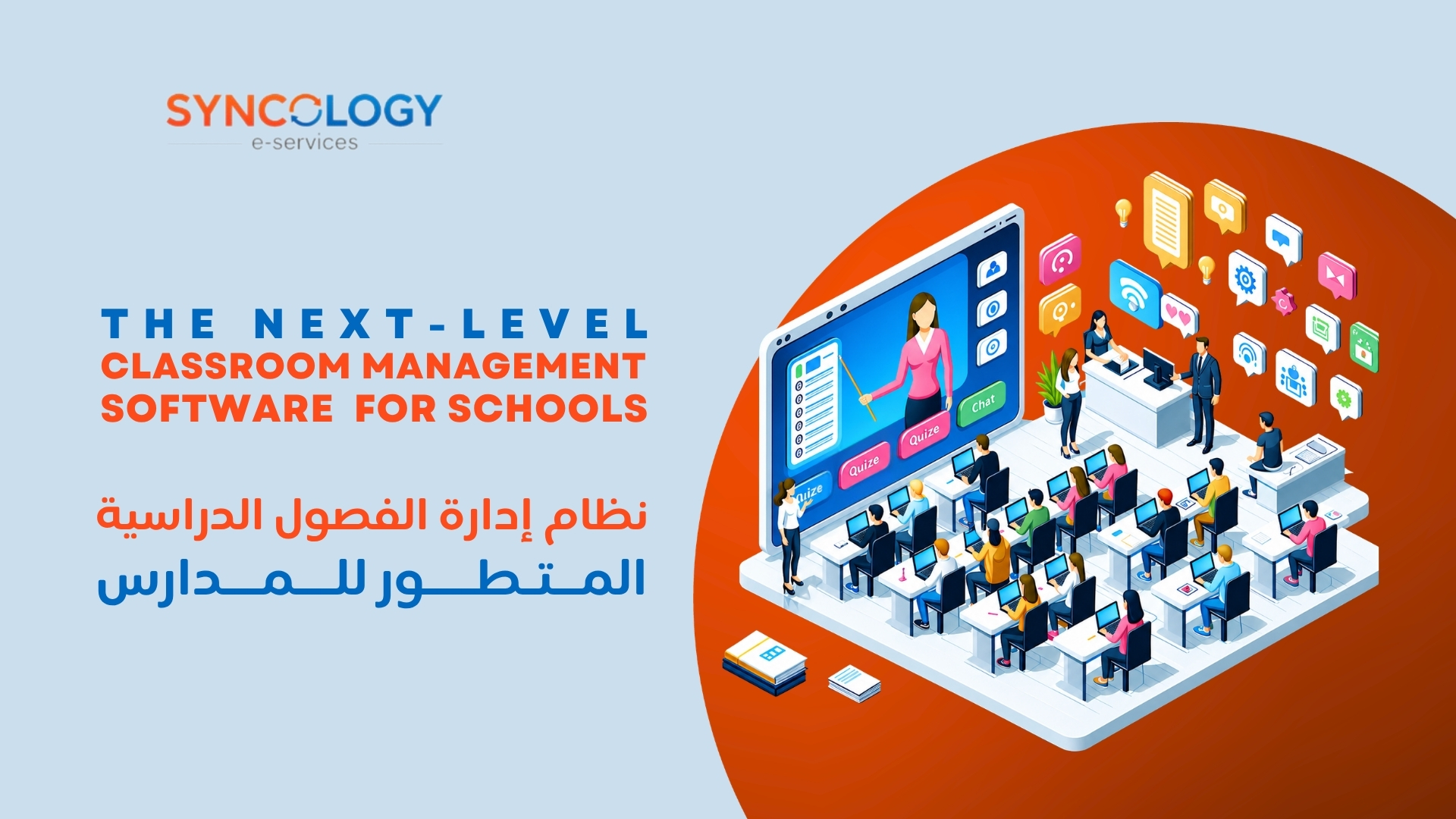
The difference between traditional classroom control and digital classroom management software is profound. Traditional control is reactive; the teacher notices a problem and then intervenes. A digital classroom management software is proactive; it allows teachers to set parameters for digital behavior, push specific content to all screens simultaneously, and monitor progress without hovering over a student’s shoulder. Key functions of these systems include lesson delivery control, student engagement tracking, behavior monitoring tools, and centralized communication.
Furthermore, classroom management software serves as the central hub for digital assignments. Instead of physical papers, teachers can distribute, collect, and grade work within a single interface. By using classroom management software, schools can ensure that every minute of the period is utilized for active learning rather than administrative transitions. It is the essential infrastructure that allows a school to claim it is truly “digitally transformed.”
Why Traditional Classroom Management Is No Longer Enough
Classrooms softwares has moved from being a “luxury” to a “necessity” because the modern classroom has outgrown the physical limitations of the past. The biggest pain point in the modern era is attention fragmentation. When every student has a tablet or laptop, the teacher is no longer the only source of information in the room. Without a classroom management software, teachers are essentially competing with the entire internet for their students’ attention.
Modern classroom challenges are diverse. Manual tracking of students’ real-time understanding is nearly impossible in a class of thirty without digital assistance. There is a persistent lack of visibility into student performance during the “independent work” phase of a lesson. Furthermore, the rise of hybrid and remote learning has made traditional methods obsolete. How do you manage a classroom when half your students are in the room, and the other half are joining via a video link? This is where classroom management software becomes the only viable solution to maintain a consistent learning standard.
Transitioning to a digital-first model means acknowledging that device distraction is a systemic issue that cannot be solved with “rules” alone. It requires a technical solution. This is where classroom management software becomes essential. It allows teachers to “lock” screens to specific apps, see thumbnails of what every student is doing, and provide instant feedback through messaging. Without such a system, the digital divide between high-performing and struggling students only widens.
Core Features of Classroom Management Software
To understand why an institution needs a dedicated classroom management software, one must look at the functional modules that transform the teaching experience. A modern classroom software is not a single tool but a suite of integrated features:
- Student Engagement Tools: These include live polls, instant quizzes, and “hand-raising” features that allow even the quietest students to interact. A robust classroom management software ensures that engagement is measured quantitatively, not just through visual cues.
- Digital Classroom Control: This is the heart of the system. It allows for screen monitoring, web-filtering, and the ability to “push” a specific URL or document to every student device instantly.
- Assignment & Homework Management: Through the classroom management software, teachers can automate the submission process. This includes setting deadlines, checking for plagiarism, and using automated grading for objective tests.
- Communication & Collaboration: Secure messaging within the classroom management software allows for private teacher-student interventions, ensuring that a student can ask for help without the social anxiety of speaking up in front of peers.
- Performance Tracking & Analytics: Modern classroom management software integrates teaching and analytics. It creates a “paper trail” of learning, showing exactly how long a student spent on a task and where they struggled.
By centralizing these features, a classroom management software simplifies the teacher’s workflow, allowing them to focus on pedagogy rather than troubleshooting technology or managing hardware.
Benefits of Using Classrooms Management Software
The implementation of professional classroom management software triggers a total transformation of the institution’s operational health. For teachers, the most immediate benefit is the massive reduction in manual workload. By automating attendance, grading, and document distribution, classroom management software reclaims hours of a teacher’s week. It allows for a “smoother” classroom flow, where transitions between activities take seconds instead of minutes.
For schools as an organization, classroom management software provides a standardized teaching experience. It ensures that every teacher, regardless of their tech-savviness, has access to the same powerful control tools. It also provides administrators with better academic performance tracking through consolidated data dashboards. Operational efficiency is significantly improved when all learning materials and interactions are housed within one classroom management software.
Students also benefit significantly from a structured classroom management software. It provides them with a clearer structure of what is expected, better feedback loops through instant digital grading, and a more interactive, media-rich learning experience. Ultimately, classroom management software directly improves both teaching quality and learning outcomes by creating an environment where focus is the default state.
Challenges Schools Face Without It
Without a centralized classroom management software, the educational institution inevitably falls into a trap of “unmanaged digital chaos.” One of the most common problems is inconsistent classroom discipline. When one teacher uses one set of rules and another teacher uses a different manual method, students become confused and less compliant. Classroom management software provides a unified “digital rulebook” that applies across the school.
Furthermore, there is the issue of teacher overload. Without the automation provided by classroom management software, teachers are forced to act as IT support, administrative assistants, and educators all at once. This leads to burnout and a decrease in the quality of instruction. Without real-time monitoring through a classroom management software, struggling students often go unnoticed until it is too late – usually after a failed exam – whereas digital tools could have flagged their lack of engagement weeks earlier.
EduSync LMS as a Classroom Management Solution
EduSync LMS from Syncology stands out because it recognizes that classroom management software must be part of a full educational ecosystem. It is not just a standalone app; it is a unified platform that integrates a full Learning Management System with specialized classroom control tools. By using EduSync LMS, schools can bridge the gap between their curriculum and their daily classroom operations.
What EduSync LMS provides is a structured lesson delivery system that integrates perfectly with the concept of classroom management software. It offers assignment and grading automation, real-time student engagement tracking, and a unified interface for both teachers and administrators. Because EduSync LMS is designed for the modern school, it supports hybrid learning models natively, ensuring that the classroom management software features work just as well for a student at home as they do for one in the front row.
How EduSync Enhances Classroom Management Software Capabilities
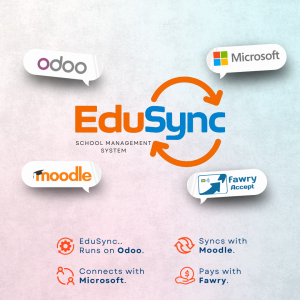
EduSync LMS takes the standard features of classroom management software and supercharges them with advanced integrations. Specifically, EduSync LMS is fully integrated with Moodle and Microsoft, allowing teachers to use the tools they already know within a more powerful management framework. This level of interconnectivity transforms classroom management software from a simple monitoring tool into a complete learning control system.
A key differentiator for EduSync LMS is its built-in AI Assistant. This AI is designed to streamline the teacher’s work by helping to generate lesson plans, answer routine student questions, and even create quick quizzes on the fly. In the context of classroom management software, this means the teacher is no longer alone in managing the data; the AI helps analyze student progress and suggests interventions. This makes EduSync LMS a next-generation classroom management software that is scalable for large academic institutions.
Who Needs the Classroom Software?
The need for professional classroom management software scales with the institution, but its benefits are universal. While a small tutoring center might manage with basic tools, any institution aiming for a structured, digital-first education will find an automated classroom management software indispensable.
- Private and International Schools: These institutions often lead the way in digital adoption and require classroom management software to maintain the high standards promised to parents.
- Large Academic Institutions: Managing hundreds of classrooms requires a centralized classroom management software to ensure consistency and security across the entire campus.
- Hybrid Learning Schools: Any school that mixes in-person and remote learning cannot function effectively without the “virtual bridge” provided by classroom management software.
Conclusion: The Backbone of Your Smart Campus
In conclusion, classrooms are becoming increasingly digitally complex, and the traditional methods of the past are no longer sufficient to meet the needs of today’s students. Classroom management software is no longer a luxury; it is essential infrastructure for any modern school. It provides the control, visibility, and automation required to turn a distracted digital environment into a focused center of excellence.
EduSync LMS provides a next-level approach to classroom control and learning optimization, proving that when classroom management software is integrated with AI and top-tier platforms like Microsoft and Moodle, the results are transformative. By centralizing workforce intelligence and classroom activity, you ensure that technology remains an asset to your teachers rather than a burden.
Explore EduSync LMS today to modernize classroom management software in your school and experience the future of digital-first education. It’s time to move beyond simple supervision and into the era of total learning management.